
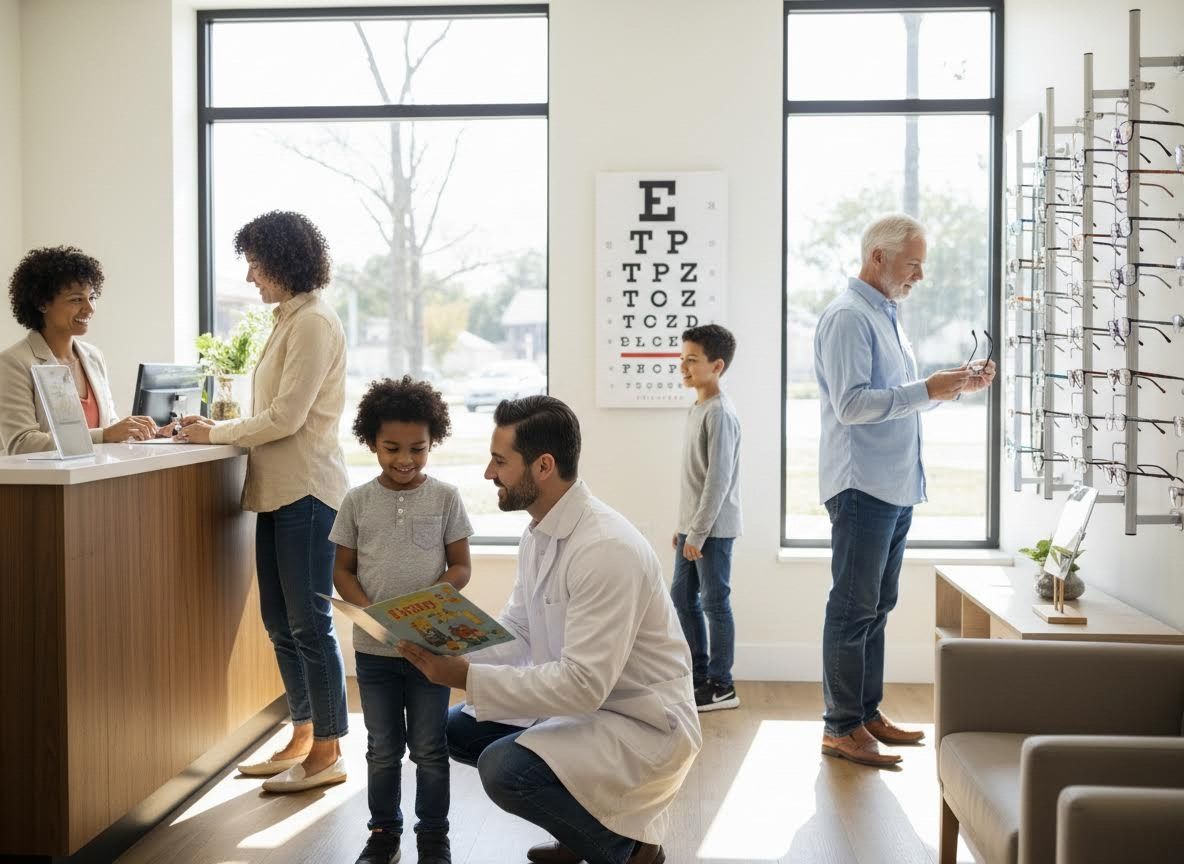
Maintaining optimal vision and eye health is a crucial aspect of overall well-being, and regular professional eye care plays a vital role. Many people wonder about the ideal frequency for these essential check-ups, and the answer often depends on various individual factors. At Visions Optique, we believe in proactive care to ensure your eyes remain healthy and clear for years to come.

General Guidelines for Eye Exams
For healthy adults with no significant risk factors, a comprehensive eye exam is generally recommended every one to two years. Children, especially during their formative years, benefit from regular screenings to detect vision problems that could impact learning and development. Infants should have their first eye exam between 6 and 12 months of age, with subsequent exams at ages 3 and 5, and annually thereafter throughout school-age years. These routine checks are fundamental for maintaining visual acuity and detecting potential issues early.

Factors Influencing Your Eye Exam Schedule
While general guidelines exist, individual circumstances significantly impact how often you should schedule an eye exam. If you wear contact lenses, annual eye exams are typically necessary to ensure proper fit and to monitor for any contact lens-related complications. Individuals with chronic health conditions such as diabetes or high blood pressure are at a higher risk for developing eye diseases and may require more frequent eye exams, often annually or even biannually as advised by their eye care professional. A family history of eye conditions like glaucoma or macular degeneration also necessitates more vigilant monitoring and more frequent eye exams.

What a Comprehensive Eye Exam Reveals
A comprehensive eye exam is far more than just checking your prescription; it's a deep dive into your total preventative optical health. Our detailed examinations include assessing everything from the eyelids to the retina, allowing us to accurately measure for eyeglasses and contact lenses. More importantly, it enables our experienced doctors to diagnose and manage a wide range of eye conditions, such as glaucoma, cataracts, and macular degeneration, often before symptoms become noticeable. This proactive approach ensures that any potential issues are addressed promptly, safeguarding your vision for the future.

Don't wait for symptoms to arise; understand the right schedule for your eye care. To learn more about maintaining your eye health and to find out when your next eye exam is recommended, please explore our services and schedule your exam today.